 415.971.5651
 patrick@
 SF Office
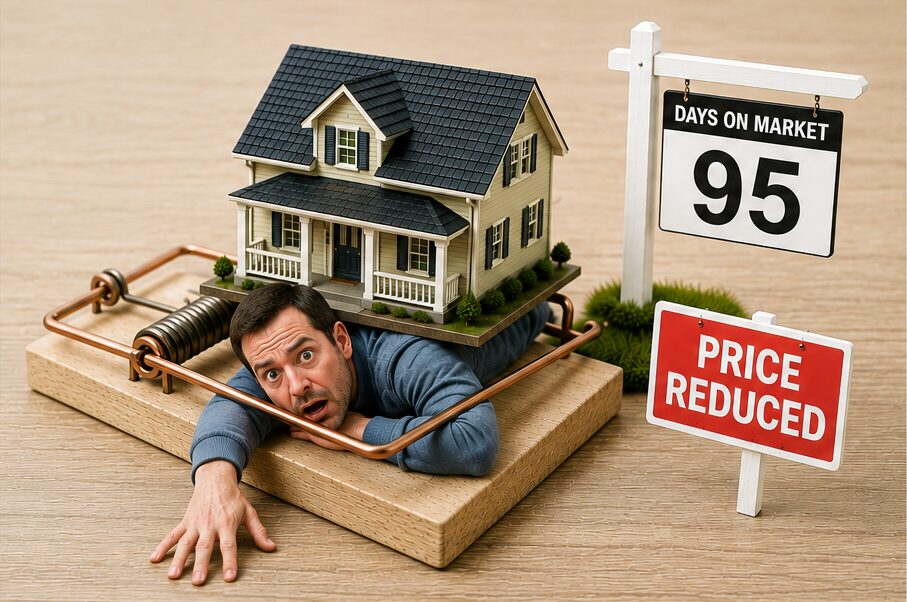
Sellers, I hate to break it to you, but you don’t ultimately decide what your home is worth. The market does (if you let it). Days on market is the scoreboard that proves it.
So what exactly is days on market (DOM)? It’s simply the number of days your property has been actively listed for sale. Here’s what many sellers don’t realize: that number follows your listing around the internet. It’s displayed on MLS and most real estate websites while your home is active, and it often remains part of the property’s listing history long after it’s taken off the market or sold. Whether you’re selling a home in San Francisco or in Healdsburg, buyers and their agents definitely take note of days on market.
Every day that your home sits unsold beyond those critical first few weeks can chip away at your negotiating power. Buyers and their agents begin to wonder what’s wrong with the property and how they can leverage the higher DOM to get a better deal.
Once a listing starts to age, you’re no longer competing solely on your home’s merits. You’re competing against its history and the expectation that a price reduction may be coming.
This is where an experienced listing agent earns their fee. My job isn’t to tell you what you want to hear. It’s to read the market, whether that’s the fast pace of San Francisco or the more seasonal rhythm of Sonoma Wine Country, and help you arrive at a price that encourages strong buyer interest from day one.
A smart seller doesn’t fight the market. They let the market bring the price.
I know that can feel uncomfortable. But here’s something many sellers don’t realize: depending on the terms of your listing agreement, you’re typically under no obligation to accept any offer at any price.
Pricing strategically isn’t about settling. It’s about creating competition and giving the market the opportunity to speak to you. That’s how homes often sell faster, with stronger terms and, in many cases, for a higher price.
If you’re thinking about selling in San Francisco or Sonoma Wine Country, I’d be happy to talk through the strategy that makes the most sense for your home.